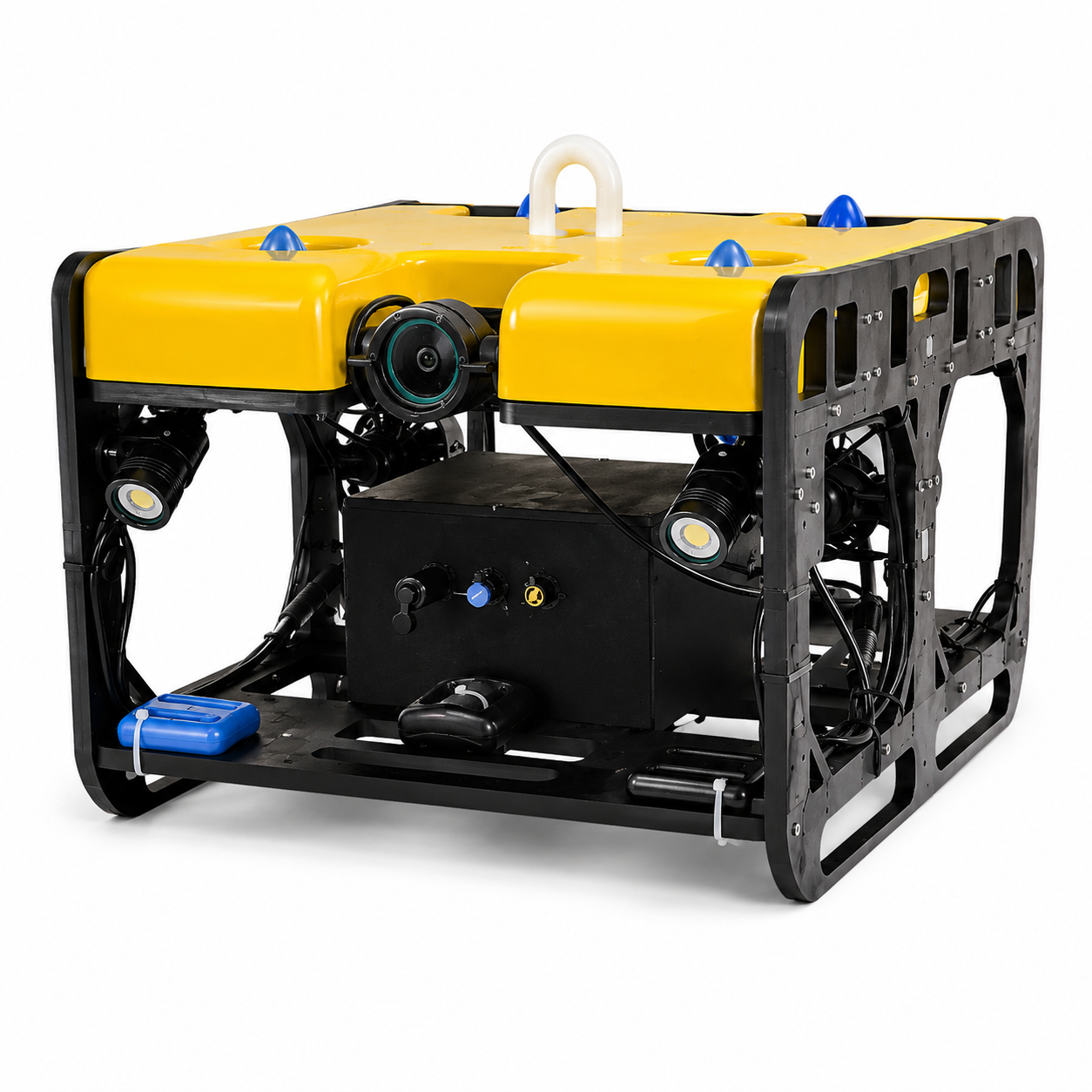
Y-Tek participates in emergency rescue
When underwater emergencies such as missing‑person incidents, river‑submerged accidents and underwater wreck incidents occur in inland rivers, reservoirs and coastal waters, conventional manual diving rescue faces massive hidden risks. Divers confront unpredictable river currents, muddy low‑visibility water, unstable river‑bank terrain and sudden underwater obstacles. These hazards easily trigger diving accidents and delay the golden rescue window. Underwater remotely operated vehicles (ROVs) have become a vital modern solution to boost rescue efficiency, guarantee personnel safety and secure reliable emergency‑mission outcomes.
Time efficiency is the core advantage of ROV‑based emergency rescue. The critical golden rescue period only lasts several hours after a water‑related accident. Traditional deployment for human divers requires lengthy preparation for diving suits, oxygen tanks and safety teams, which wastes precious minutes. In contrast, a modular emergency‑rescue ROV can be transported rapidly to the incident site by vehicle and launched within minutes. It can immediately dive into murky river water to conduct full‑range scanning, cutting down the time spent on blind underwater searching. Fast deployment accelerates target location, greatly raising the possibility of finding victims or sunken evidence in time.
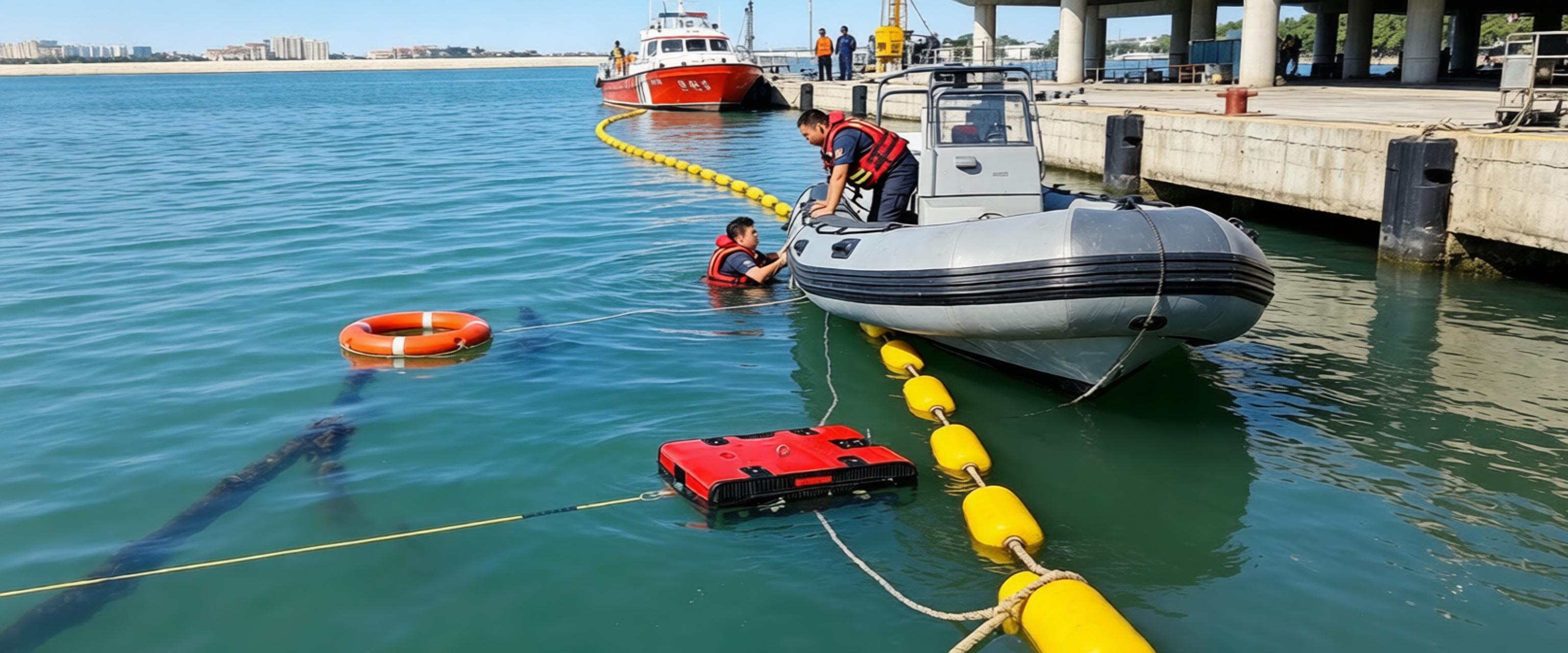
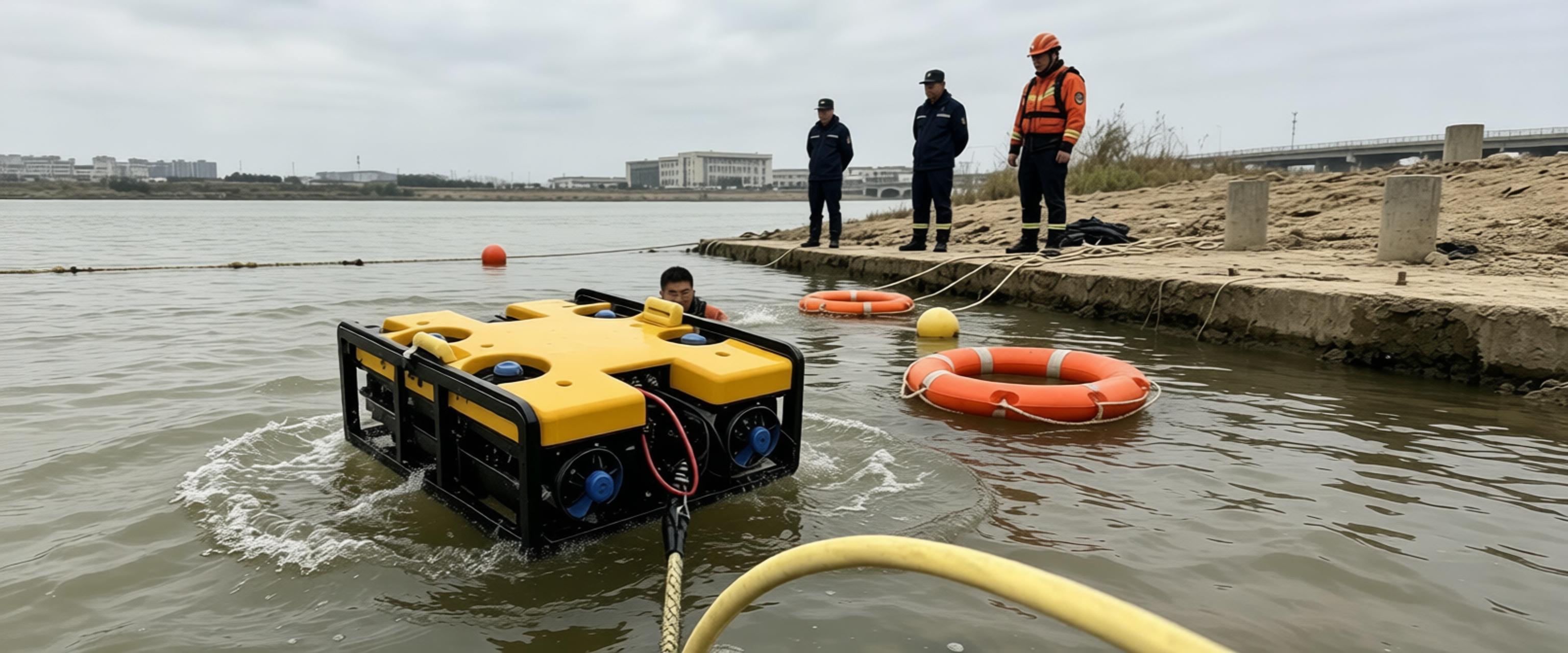
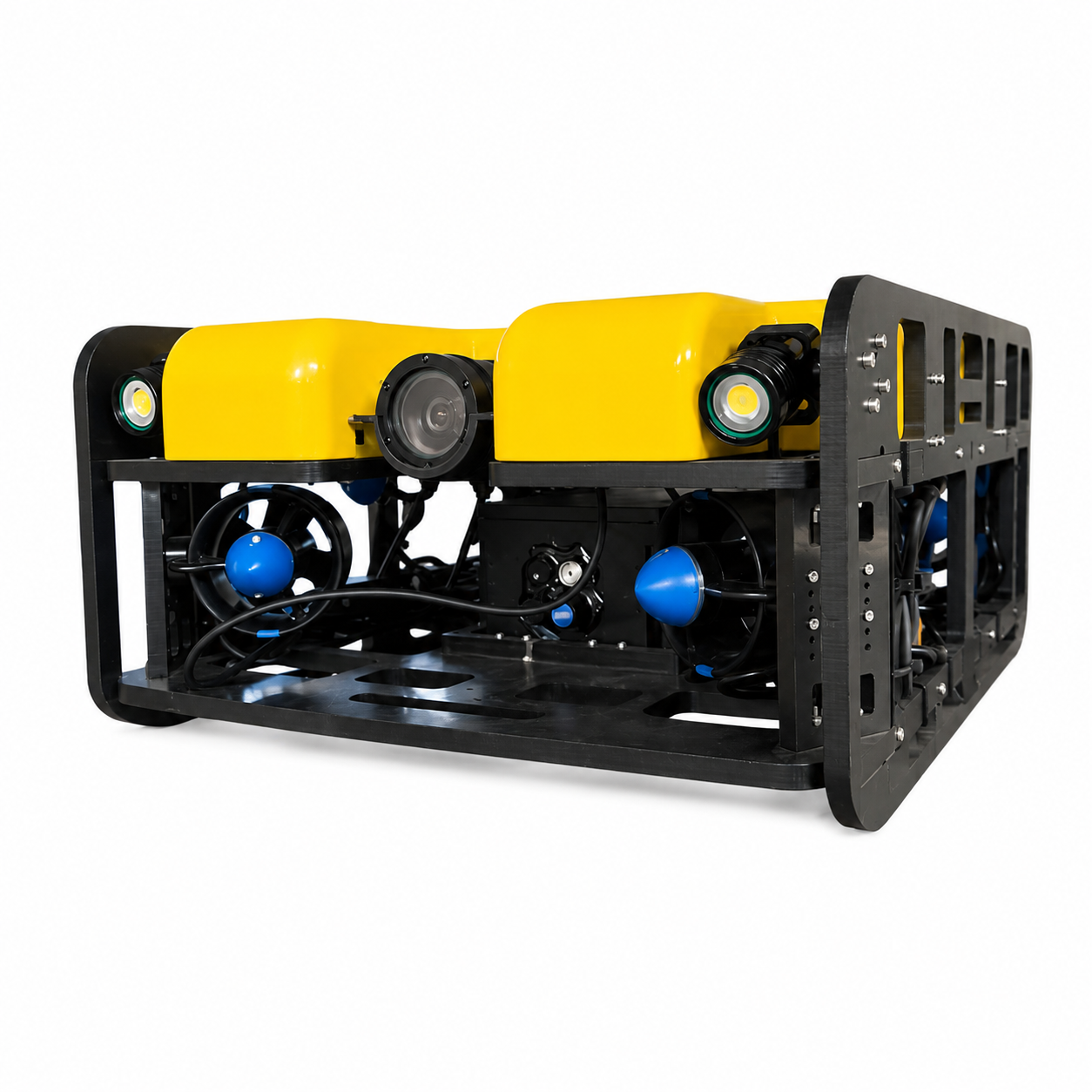
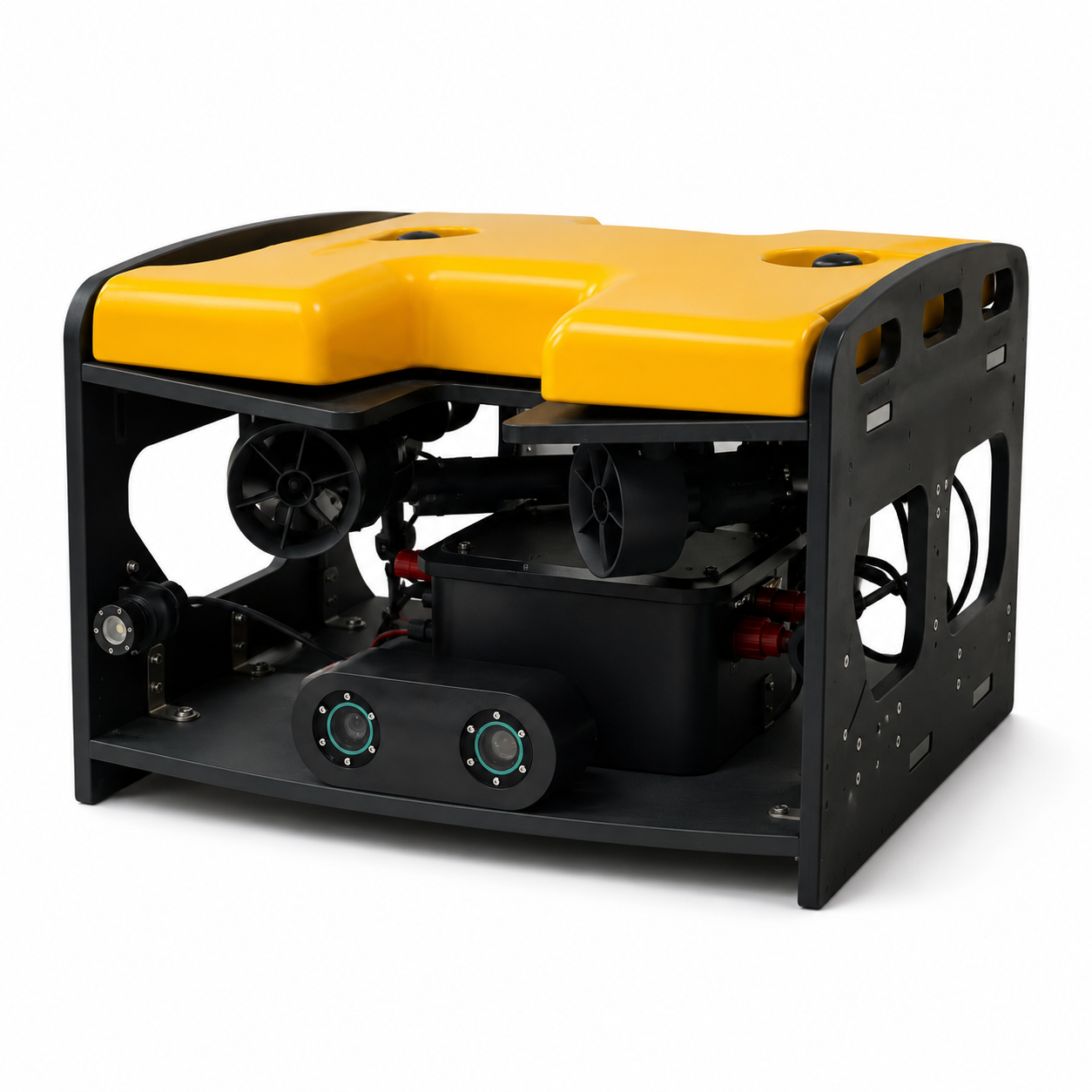
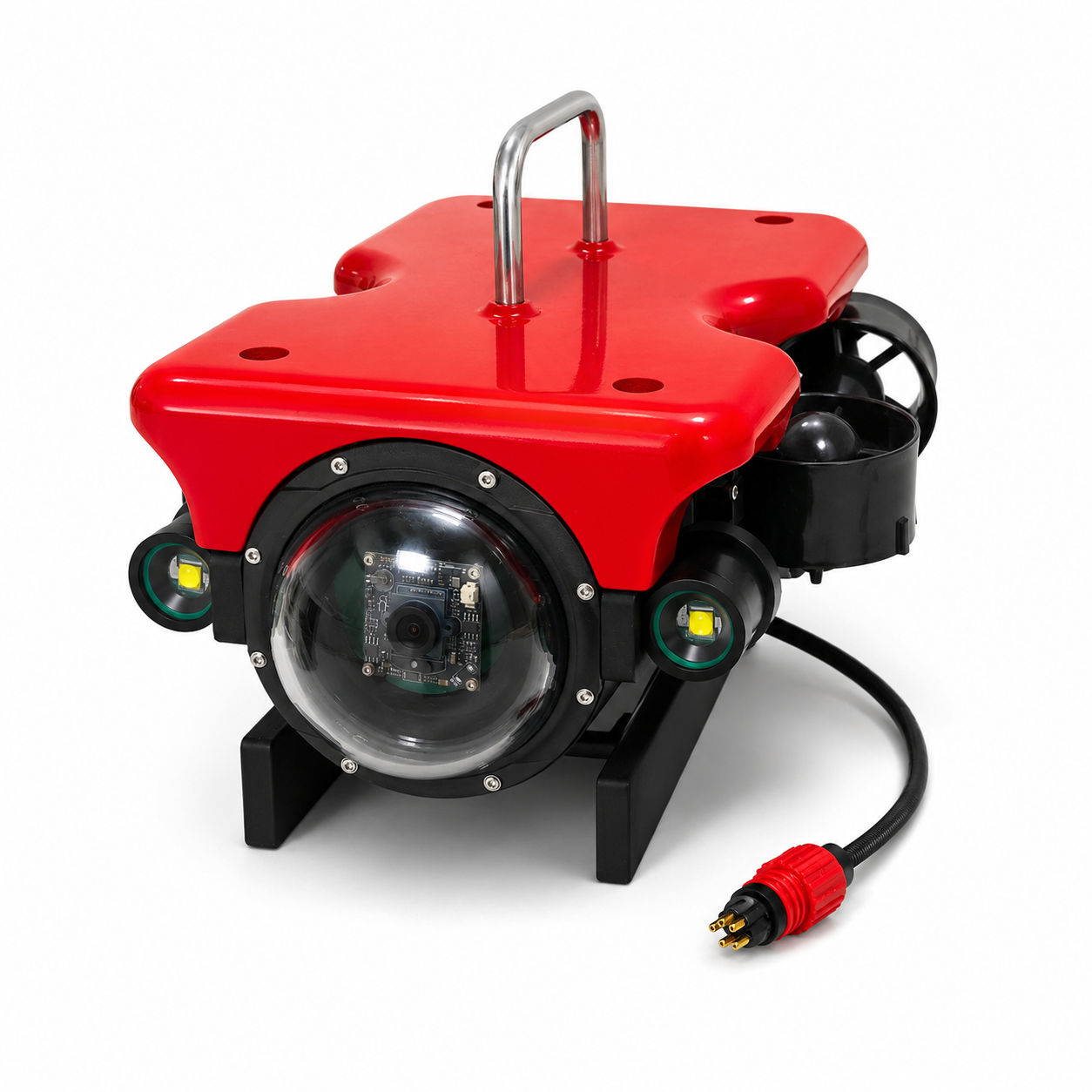
Equipped with auxiliary sensors including high‑definition cameras, underwater lighting, altimeters and sonar systems, the rescue‑oriented ROV achieves precise underwater detection to deliver tangible practical results. High‑power LED lights break through turbid, dark river‑water environments, while sonar detects underwater targets when visibility drops to nearly zero. After locating submerged people, vehicles or sunken items, the ROV can be fitted with robotic arms and traction components to hook, drag and salvage underwater objects. In this field river‑rescue case, the eight‑thruster ROV was rapidly deployed alongside local emergency‑response teams. It navigated muddy river water, scanned the riverbed and pinpointed the sunken target efficiently. The whole search process avoided risky manual dives and successfully completed the underwater search task for the rescue department.