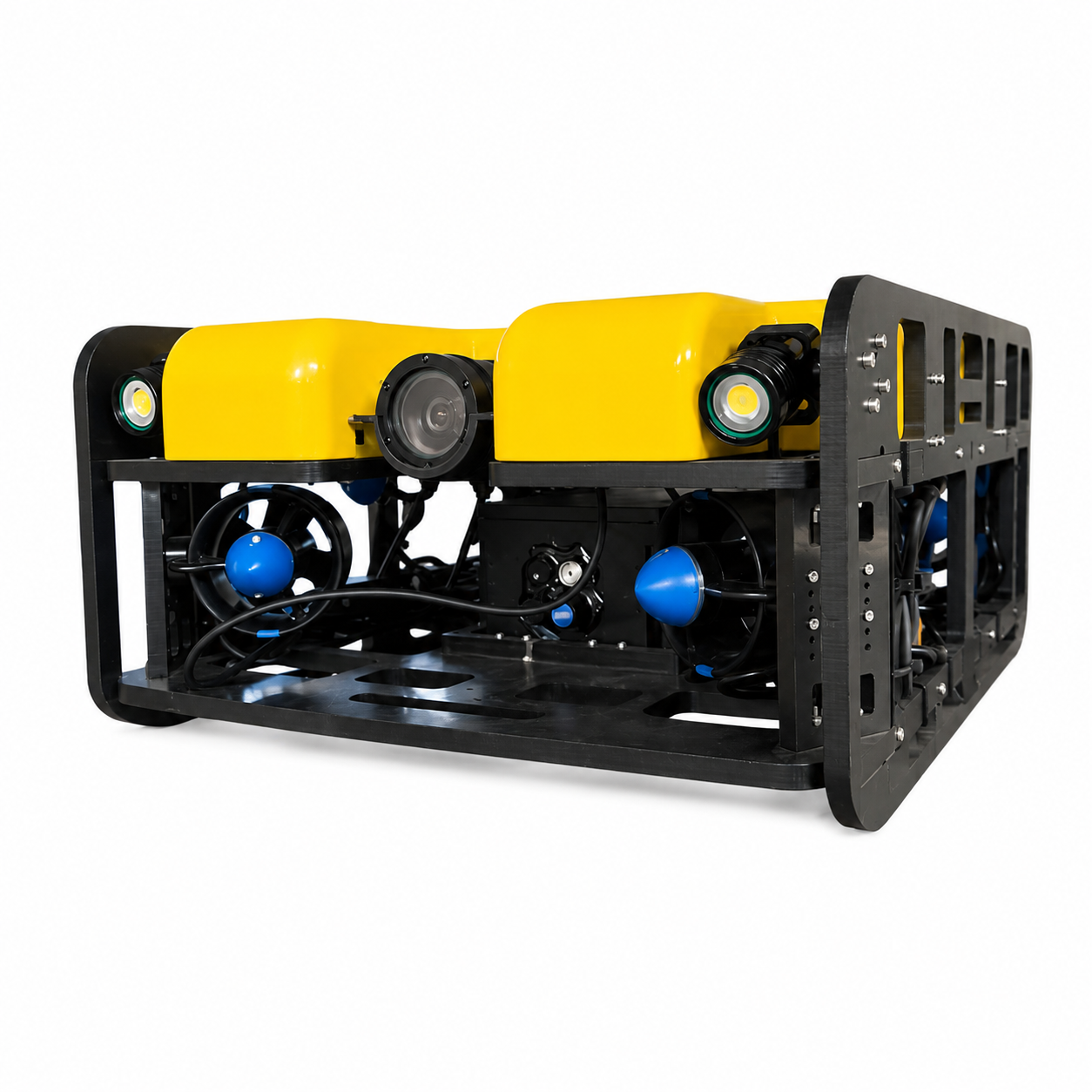
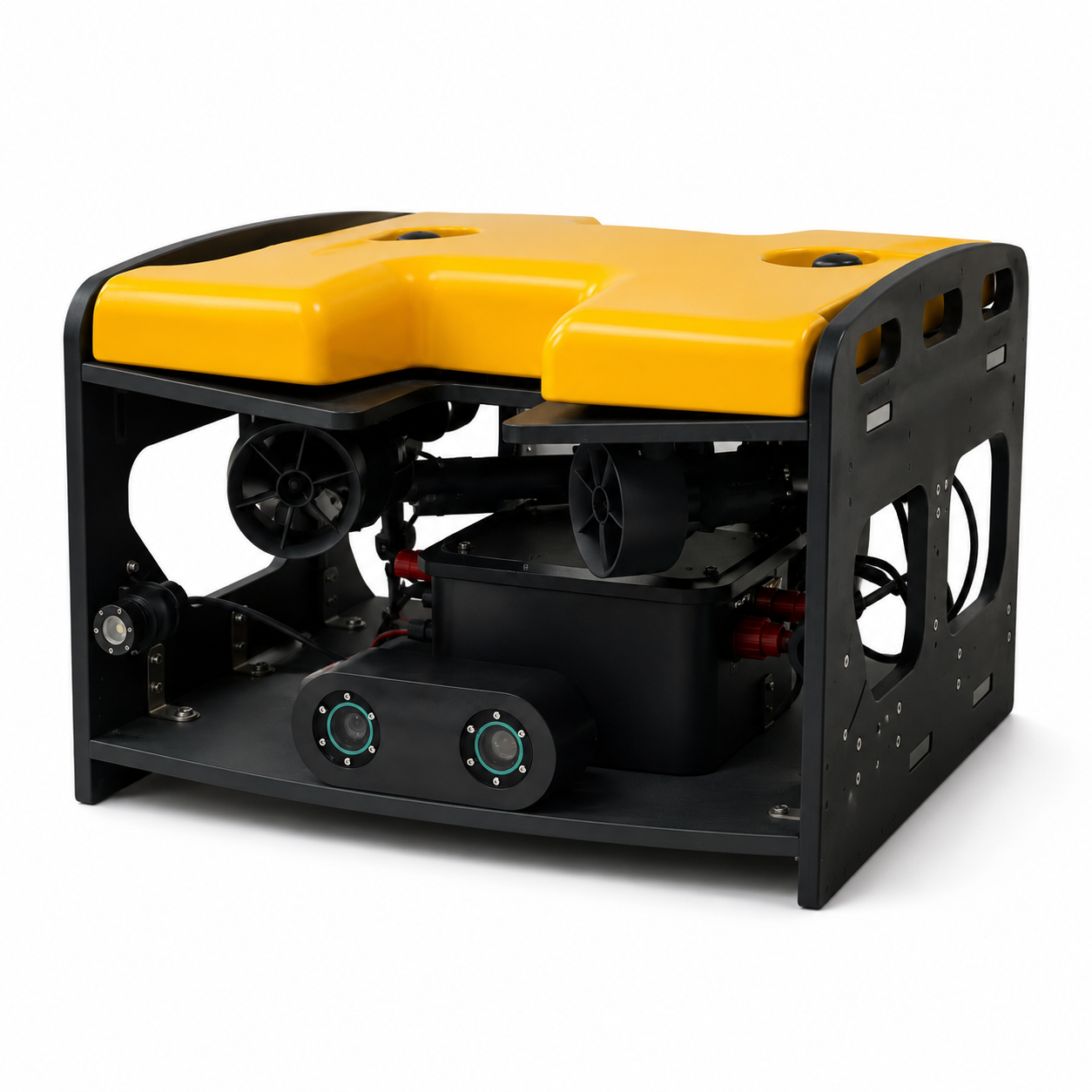
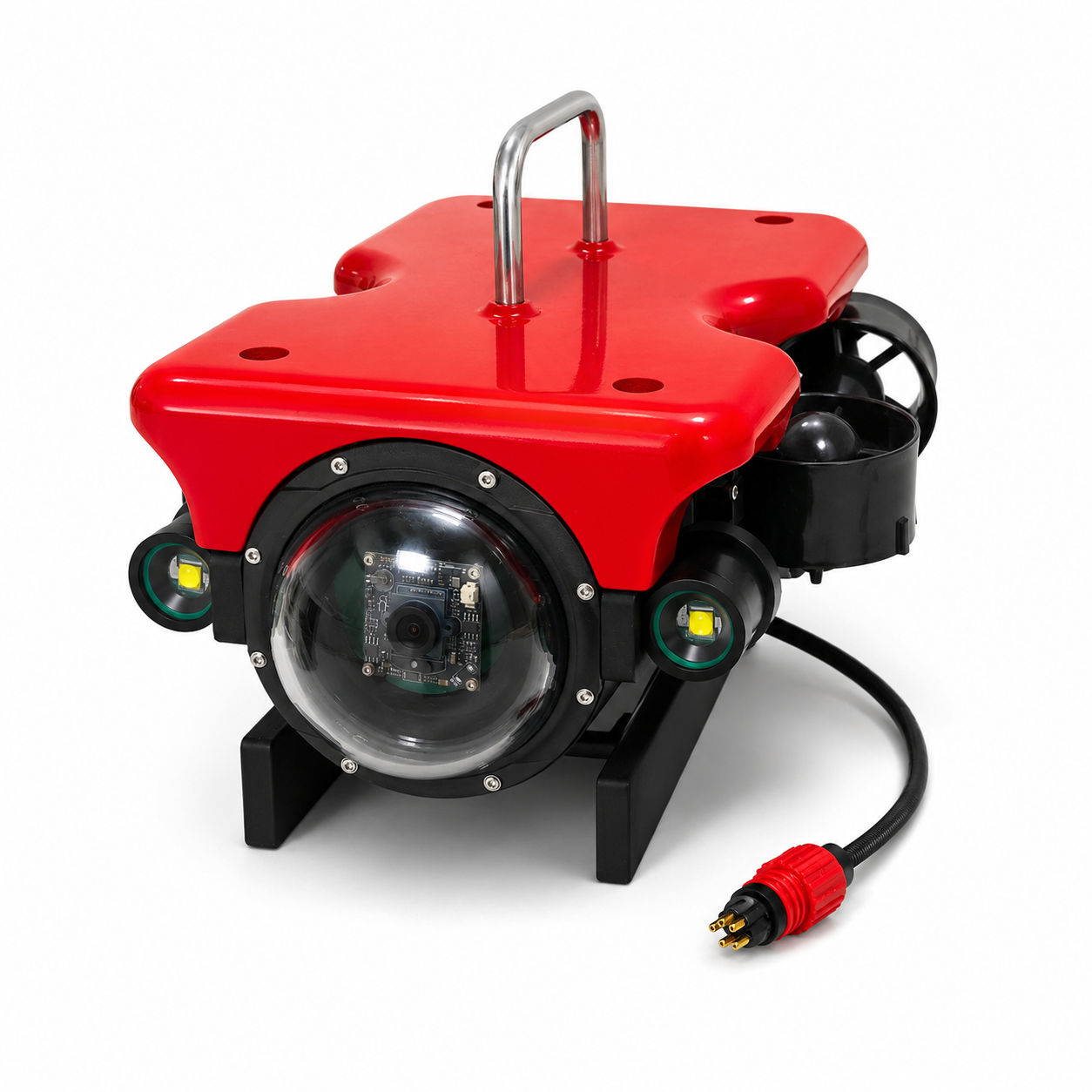
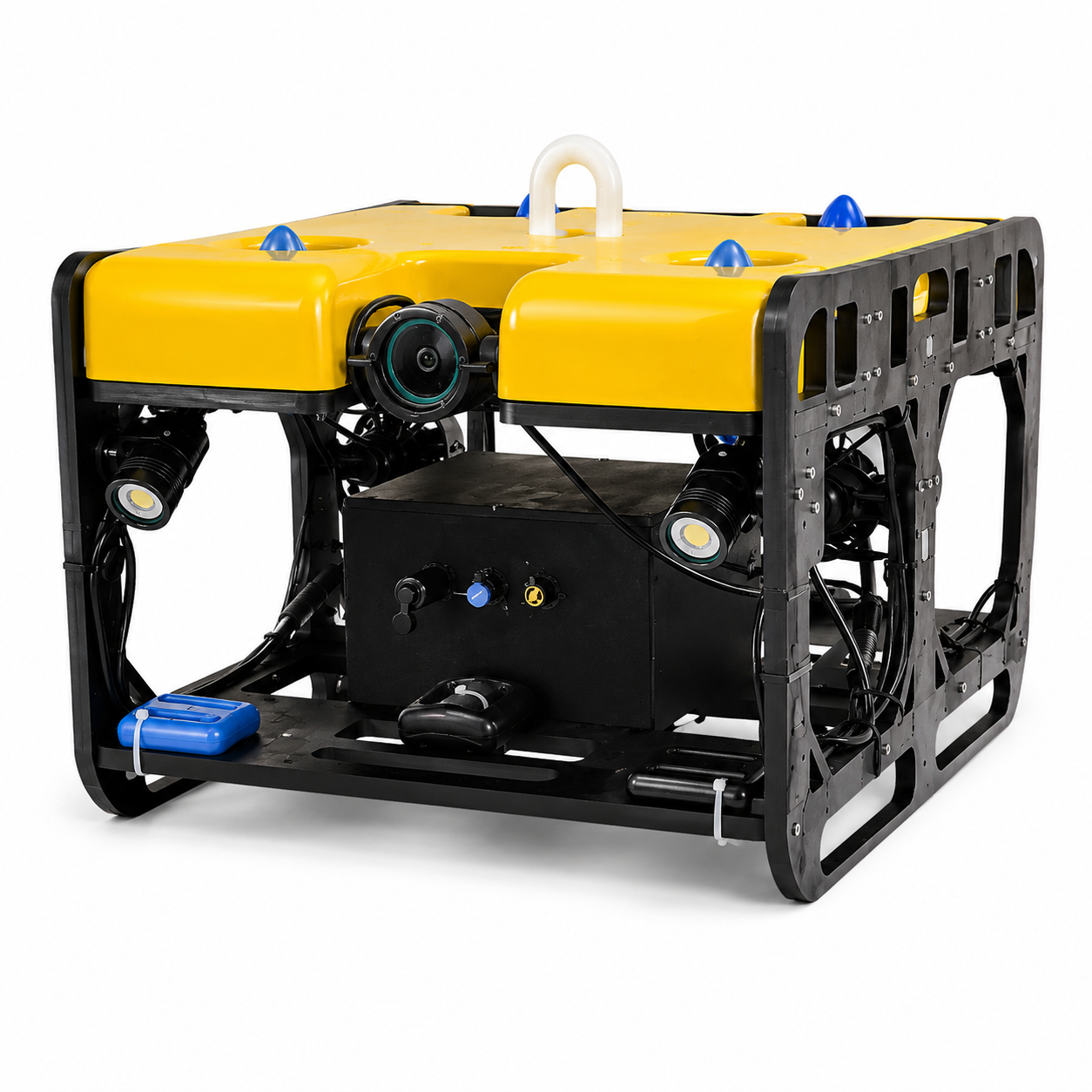
Offshore‑cage aquaculture has become a major pillar of modern marine fishery. Fish‑farm cages face frequent challenges including net‑mesh damage, marine‑organism fouling, unstable water quality and hidden fish‑disease risks. Traditional aquaculture management heavily depends on manual diving inspection, which is labor‑intensive, risky and low‑efficient. Remotely Operated Vehicles (ROVs) deliver an automated underwater solution for open‑water farming, cutting back on manual diving work, boosting daily management efficiency and conducting real‑time water‑quality monitoring to optimize aquaculture yields.
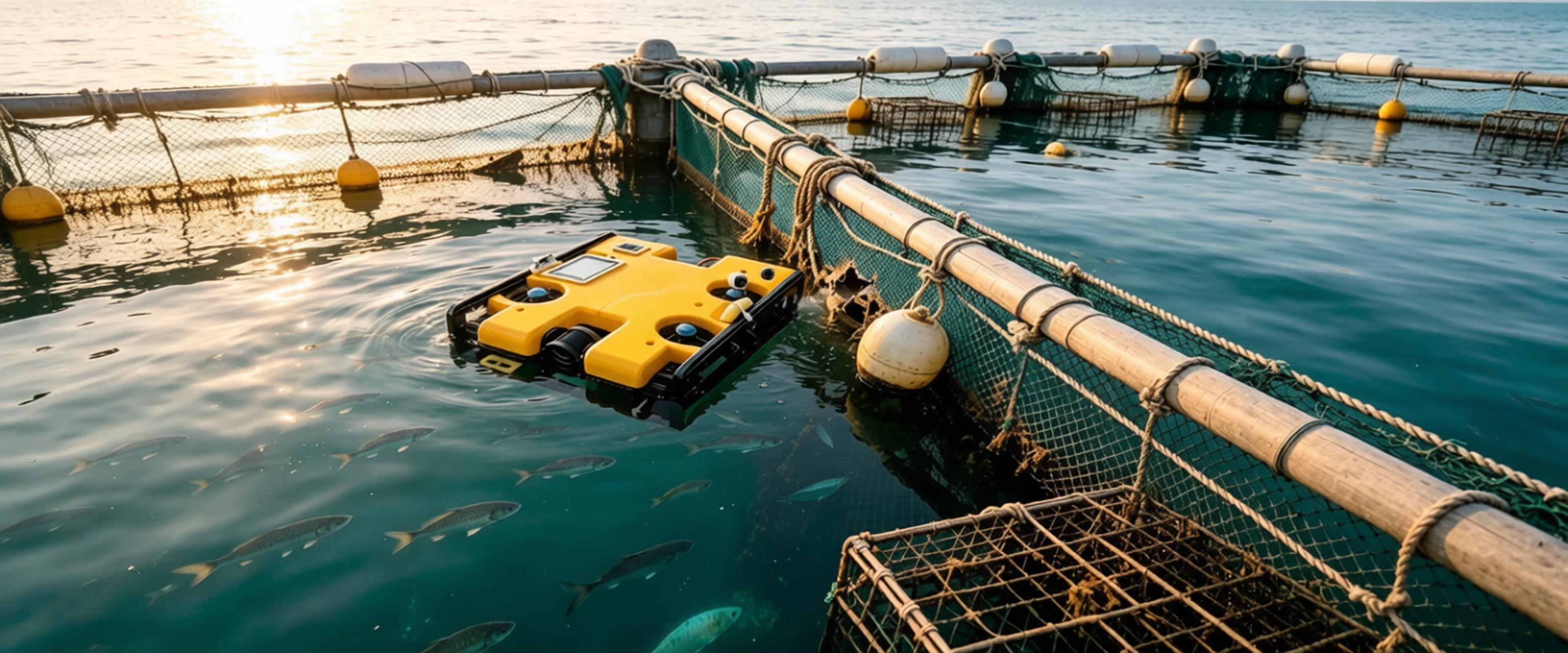
Eliminating risky manual underwater operations is one core benefit of deploying ROVs for open‑water aquaculture. Conventional cage maintenance requires divers to dive repeatedly to check net conditions. Divers are exposed to strong sea tides, sharp broken fishing nets, stinging jellyfish and unpredictable underwater obstacles. The ROV lets farm operators conduct full‑scale cage surveys from the surface platform. Workers control the robot remotely through a ground‑control station and view live underwater footage. It removes the need for frequent human diving, minimizing work‑related safety incidents and reducing long‑term labor costs for fish‑farm enterprises.
High‑efficiency cage patrol optimizes routine aquaculture management. Large‑scale offshore fish‑farming zones stretch across wide sea areas. Manual diving checks take days to complete a full‑round inspection of all aquaculture cages. The compact ROV can navigate along the perimeter of floating cages quickly. It scans fishing‑net structures, detects mesh holes, loose rope knots and accumulated biofouling on netting frames in real‑time. Once tiny net tears are spotted, farmers can arrange early‑stage repairs. This prevents farmed fish from escaping and avoids massive economic losses, greatly streamlining daily maintenance workflows.
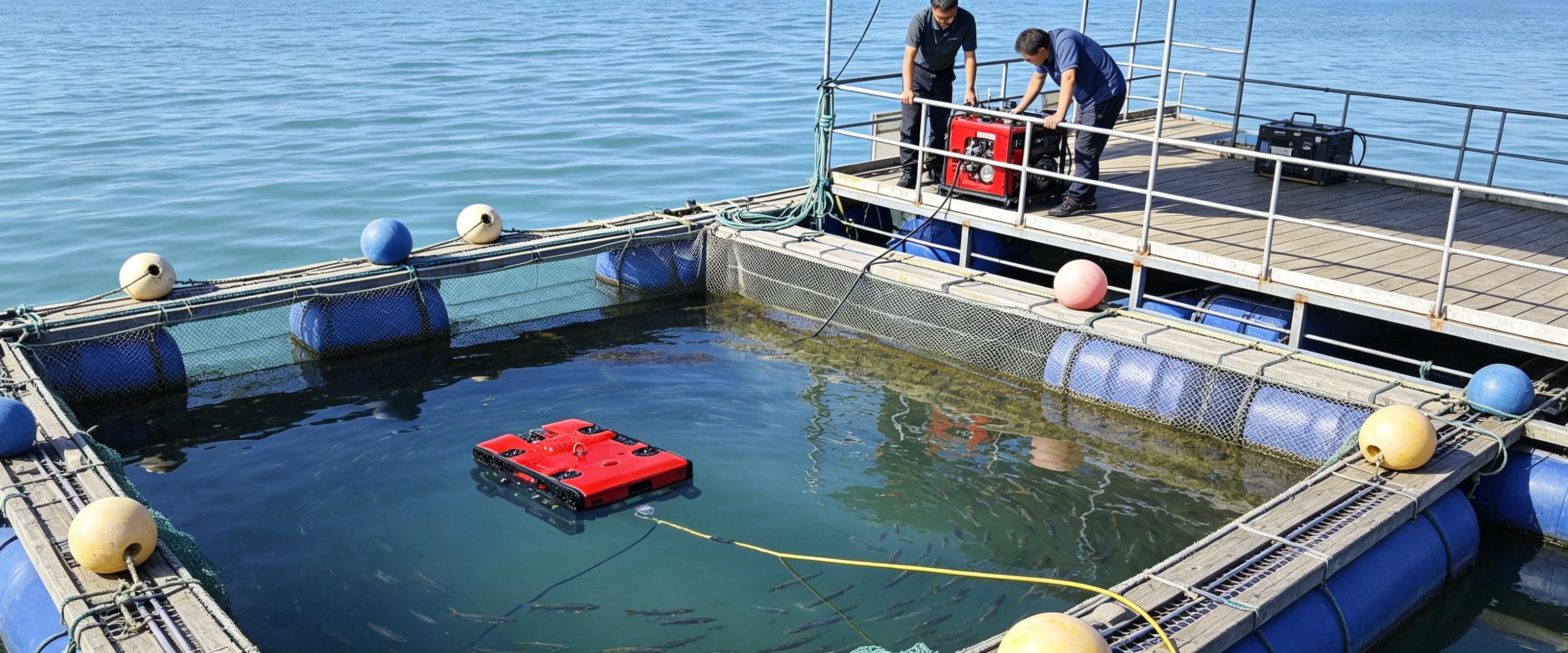
Real‑time water‑quality monitoring further improves scientific breeding outcomes. Water temperature, dissolved‑oxygen levels, turbidity and harmful underwater residues directly affect fish growth and health. Fitted with water‑quality sensors, HD cameras and high‑brightness lights, the ROV collects underwater environmental data continuously while cruising inside aquaculture cages. It tracks sediment buildup below the fish‑cage area, identifies leftover fish feed and waste accumulation. All water‑quality data and video records are stored digitally, helping farmers adjust feeding volumes, optimize oxygen supply and prevent bacterial outbreaks in advance.
In this practical aquaculture case, the underwater ROV cruised around the offshore breeding cage. It examined the integrity of fishing nets, recorded fish‑stock activity, and measured underwater water‑quality parameters. The inspection results guided targeted cage cleaning and feeding adjustments, forming a complete intelligent‑management cycle for open‑water aquaculture.
Apart from net inspection and water‑quality tracking, ROVs can also assist in underwater net‑cleaning, fish‑population counting and early‑stage disease observation for deep‑sea farms.
To conclude, underwater ROVs are transforming traditional aquaculture patterns. By replacing risky manual diving operations, improving farm‑management efficiency and enabling persistent water‑quality monitoring, underwater robots realize smart, low‑cost and sustainable marine aquaculture. As large‑scale offshore fish farming keeps expanding, customized ROV systems will continue to empower the long‑term development of the modern aquaculture industry.